
How do I use hair oil properly?
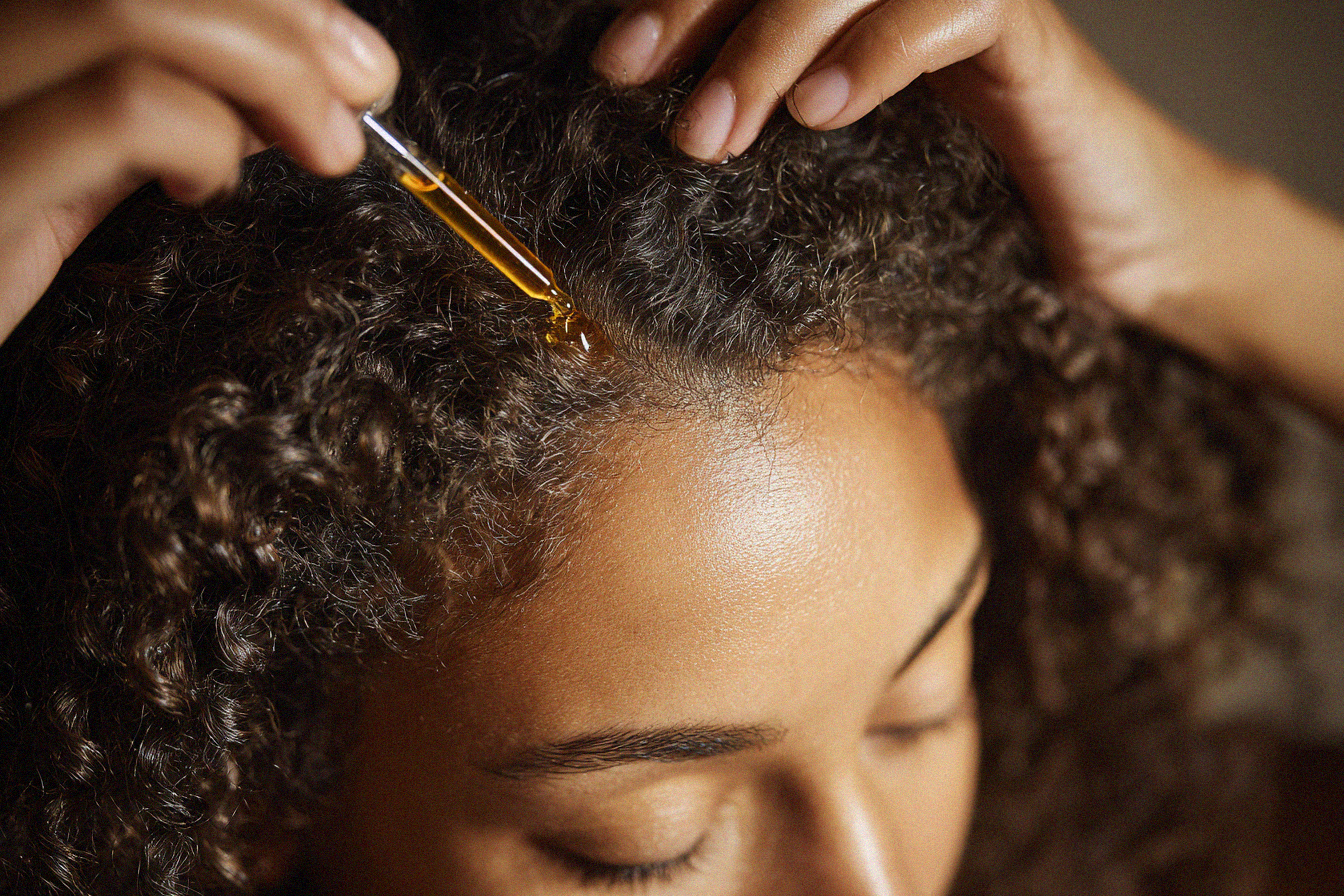
Hair oil works best when used sparingly and with intention. Start with just a few drops warmed between your palms or fingertips and gently smooth through mid-lengths.
If you're oiling your scalp, massage slowly using circular movements. You can leave the oil in as a light daily treatment, or use it as a pre-wash ritual and rinse after 30 minutes or longer. Less is often more. Your hair should feel soft and cared for, never heavy or coated.
~
Do I put hair oil on wet or dry hair?
Both work beautifully, it just depends on what your hair is asking for. On damp hair, oil helps lock in moisture and calm frizz after washing. On dry hair, a tiny amount can smooth flyaways, add a gentle shine, and protect fragile ends. Always start small and build from there.
~
Should I apply hair oil to my scalp?
You can, though it's not something everyone needs regularly. Scalp oiling can be beneficial as an occasional treatment, especially if your scalp feels dry, tight, flaky, or simply in need of some grounding care.
If you're dealing with dandruff, eczema, or scalp sensitivity, a gentle oil massage can be soothing and nourishing. However, it's important to patch test first, particularly if you have allergies, reactive skin, or any scalp conditions. Apply a small amount to your inner arm and wait 24 hours to check for any reaction.
If your scalp has oiliness or buildup, it's best to focus the oil on your mid-lengths and ends instead.
How often should I use hair oil?
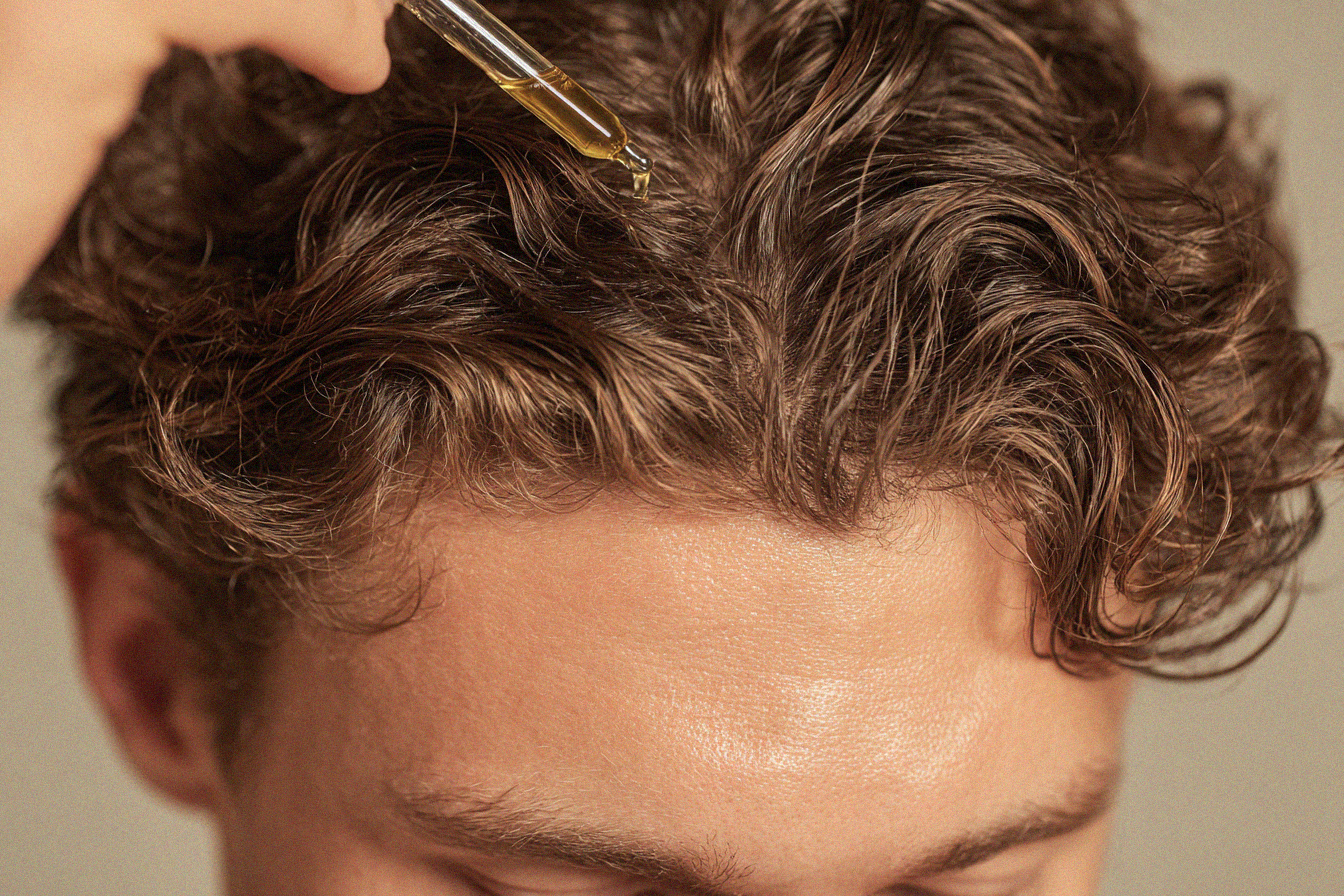
For most people, 2-3 times a week feels right. This might be as a pre-wash treatment, a slow overnight ritual, or just a few drops smoothed through dry ends each morning.
Hair oiling isn't about strict rules, it's about paying attention to what your hair needs. If your hair feels heavy or weighed down, use less. If it feels dry, frizzy, brittle, or damaged, a little more care and consistency might help.
~
Is hair oil actually good for hair?
When chosen thoughtfully and used with care, yes, hair oil can be really beneficial. Oils help reduce moisture loss, smooth the hair cuticle, and protect against dryness, breakage, and everyday friction. They can also help minimise frizz, add natural shine, and improve manageability.
Hair oil won't make hair grow faster or transform it overnight, but a nourished scalp creates better conditions for growth, and regular use can support softer, healthier looking hair over time. Think of it as nourishment rather than a quick fix: small, consistent care that builds resilience and vitality.
~
Does hair oil make your hair greasy?
Only if you use too much, apply it where it's not needed, or use an oil that's too heavy for your hair. Some hair oils contain thick, synthetic ingredients or additives that can sit on the surface rather than absorbing, which leads to that greasy, weighed down feeling.
Pure, lightweight oils are less likely to cause buildup when used properly. Most of us need far less than we think, sometimes just a few drops is enough.
Keep the oil mainly on your mid-lengths and ends, and adjust the amount based on your hair's texture and needs. The aim is nourishment, not saturation.